Logo Design Elements: Elevate Your Brand with Brush Strokes
In the crowded digital landscape, visual identity is not merely an aesthetic choice; it is a fundamental component of communication. For entrepreneurs, freelancers, and creative professionals, establishing a distinct brand presence requires more than just a clever name or a catchy tagline. It demands a cohesive visual language that resonates with your audience on an intuitive level. One of the most effective ways to inject personality and authenticity into this visual language is through the strategic use of logo design elements. Specifically, incorporating hand-drawn aesthetics, such as paint brush clip art, can transform a static logo into a dynamic symbol of creativity and craftsmanship.
This approach moves away from the rigid, geometric perfection often associated with corporate branding and embraces the organic warmth of human touch. When you integrate high-quality brush strokes into your design toolkit, you are not just adding decoration; you are signaling values like authenticity, artistic flair, and attention to detail. Whether you are designing a logo for a boutique coffee shop, a personal blog, or a handmade jewelry brand, these elements serve as powerful tools to differentiate your work in a saturated market.
The Power of Organic Texture in Modern Branding
Modern consumers are increasingly drawn to brands that feel genuine and relatable. The rise of the "maker movement" and the growing appreciation for artisanal products have shifted consumer expectations. People want to know the story behind the product, and they look for visual cues that suggest human effort and care. This is where paint brush clip art becomes invaluable. A well-executed brush stroke carries connotations of movement, energy, and imperfection—traits that make a brand feel alive rather than manufactured.
Consider the difference between a perfectly straight line generated by software and a sweeping, textured brush stroke. The former suggests precision and cold efficiency, while the latter suggests passion and individuality. By using brush strokes as part of your logo design elements, you can create a visual narrative that aligns with brands focused on creativity, wellness, education, or lifestyle. These elements help soften the overall look of a logo, making it more approachable and memorable. They act as visual anchors that draw the eye and add depth to otherwise flat designs.
Practical Applications for Creative Professionals
The versatility of brush stroke assets extends far beyond traditional logo creation. For designers, bloggers, and content creators, these elements offer a wide range of practical applications that can enhance various projects. Because these images are provided as high-resolution PNGs with transparent backgrounds, they can be layered seamlessly over other graphics, photos, or text without clashing with existing colors or layouts.
- Paper Crafts and Card Making: For hobbyists and small business owners in the stationery industry, brush strokes add a tactile quality to digital designs that mimic physical media. They can be used to frame quotes, highlight key messages, or serve as decorative borders on greeting cards and invitations.
- Blogs and Social Media Graphics: In the fast-scrolling world of social media, static images often get overlooked. Adding a dynamic brush stroke behind a headline or as a background element can break up monotony and guide the viewer’s attention. This is particularly effective for educational content or inspirational posts where emotional connection is key.
- Product Packaging: Small business owners selling physical goods can use these elements to create mockups or actual print-ready designs. A brush stroke accent on a label can elevate the perceived value of a product, suggesting that it was made with care rather than mass-produced.
By integrating these versatile assets into your workflow, you save significant time compared to creating custom textures from scratch. Instead of spending hours experimenting with blending modes and layer styles, you can instantly apply a professional-grade texture that enhances your design’s impact. This efficiency allows you to focus more on strategy and less on technical execution.
Technical Specifications and Quality Considerations
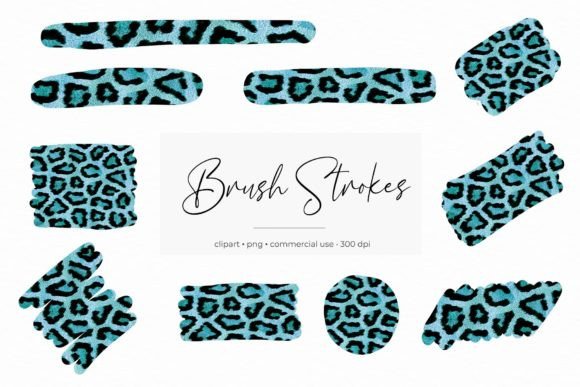
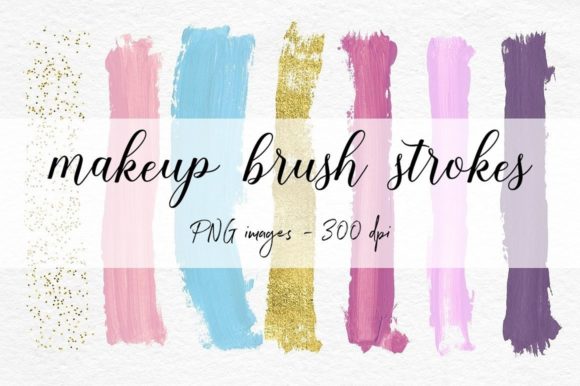
When selecting resources for logo design elements, quality is paramount. Low-resolution images can appear pixelated when scaled, which undermines the professionalism of your brand. The specific collection discussed here offers seven distinct pieces of high-quality brush stroke clip art, each rendered at 300 DPI. This resolution ensures that whether you are printing a large banner or displaying a small icon on a mobile device, the edges remain crisp and clean.
Each image is approximately 7 inches wide, providing ample space for integration into various design compositions. The transparency of the PNG format is a critical feature, allowing designers to place the brush strokes over any background color or image without dealing with awkward white boxes or mismatched edges. This flexibility is essential for maintaining consistency across different platforms, from web headers to business cards.
However, it is important to consider how these elements fit into your broader design system. While brush strokes add character, they can also introduce visual clutter if overused. The key lies in balance. Use them to accentuate, not overwhelm. For instance, a single, bold brush stroke might serve as a perfect underline for a brand name, whereas multiple overlapping strokes could distract from the core message. Experimentation is encouraged, but always prioritize clarity and readability.
Who Benefits Most from These Assets?
This resource is particularly beneficial for a diverse audience of creatives and professionals. Entrepreneurs launching new ventures will find these elements useful for creating a cohesive brand identity quickly and cost-effectively. Freelance graphic designers can leverage these assets to offer clients premium-looking designs without starting every project from a blank canvas. Educators and publishers may use them to make learning materials more engaging and visually appealing.
Hobbyists and crafters also stand to gain significantly. The ability to produce high-quality digital assets means that even those without advanced design skills can create professional-looking projects. This democratization of design tools empowers individuals to express their creativity with greater confidence and polish. Furthermore, marketers can use these elements in ad campaigns to evoke emotions of trust and authenticity, which are crucial for building long-term customer relationships.
Integrating Brush Strokes into Your Workflow
To get the most out of these logo design elements, start by defining the mood you wish to convey. Are you aiming for a rustic, earthy feel? Or perhaps something more vibrant and energetic? Different brush stroke styles can evoke different emotions. Once you have selected the appropriate style, experiment with scale and placement. Try placing a brush stroke behind text to create a sense of depth, or use it to highlight a specific word or phrase.
It is also worth noting that these assets can be combined with typography in unique ways. Pairing a rough, expressive brush stroke with a clean, modern font can create a striking contrast that draws attention. Conversely, pairing it with a handwritten script can reinforce a sense of personal touch. The possibilities are limited only by your imagination and your understanding of design principles.
As you incorporate these elements into your projects, remember to maintain consistency. Using the same style of brush strokes across all your branding materials—from your website to your social media profiles—helps build recognition and trust. Over time, these small details contribute to a strong, cohesive brand identity that stands out in the minds of your audience.
Final Thoughts on Creative Enhancement
In conclusion, the inclusion of high-quality brush stroke clip art in your design arsenal offers tangible benefits for anyone looking to enhance their visual communication. By leveraging the organic nature of these logo design elements, you can create designs that feel more human, authentic, and engaging. Whether you are a seasoned designer or a beginner exploring your creative side, these assets provide a flexible and powerful way to elevate your work. Embrace the imperfections and textures they bring, and watch as your projects gain new depth and character.