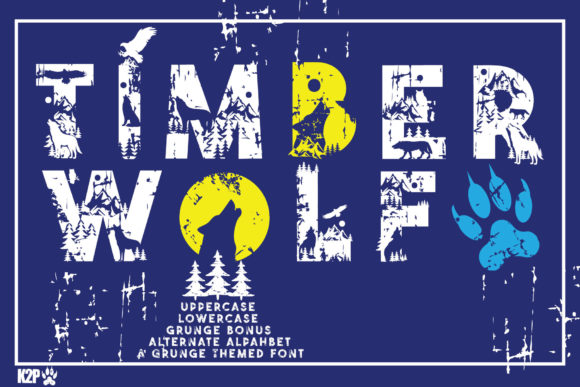
Timber Wolf: A Bold and Versatile Font for Creative Workflows
Typography plays a crucial role in design, influencing not just the visual appeal but also the message’s tone and effectiveness. Timber Wolf is a fun, original, and assertive decorative font that stands out with its rugged charm and dynamic character set. Whether you're designing promotional materials for an outdoor brand, crafting a logo for a travel company, or adding personality to a blog post, Timber Wolf offers a unique aesthetic that can elevate your work. Its PUA encoding makes it accessible and easy to use across various platforms, allowing designers to leverage all of its glyphs and swashes without technical hurdles.
Understanding the Role of Timber Wolf in Design Projects
Before diving into how to use Timber Wolf, it's important to understand where it fits within the broader design process. This font is best suited for contexts where boldness and creativity are key. It works well in branding projects, social media graphics, editorial designs, and even packaging for products related to fishing, camping, or travel. Because it’s a decorative typeface, it should be used sparingly and strategically to avoid overwhelming the viewer or interfering with readability.
When planning a project, consider the purpose of the text you’re using. If it’s meant to draw attention—like a headline or call-to-action—Timber Wolf could be an excellent choice. For body text or other areas requiring legibility, however, pairing it with a more standard sans-serif or serif font is recommended. This ensures clarity while still benefiting from the expressive nature of Timber Wolf in key visual elements.
Preparation: Choosing the Right Context for Timber Wolf
Integrating Timber Wolf into your workflow starts with preparation. Begin by assessing the design requirements of your project. Are you creating a poster for a local fishing tournament? Or perhaps a website header for a hiking gear store? In either case, Timber Wolf can add a sense of adventure and energy. Before downloading or purchasing the font, ensure it aligns with the overall theme and audience expectations.
- Define the use case: Determine whether the font will be used as a primary display face or an accent element.
- Check licensing: Confirm the font license allows for commercial use if needed.
- Assess compatibility: Ensure it works on your preferred design software and platforms (e.g., Adobe Illustrator, Photoshop, Canva, etc.).
Integration Into Your Workflow
Once you’ve decided to use Timber Wolf, integrating it into your design process becomes a matter of organization and efficiency. Start by installing the font on your system. Since it is PUA encoded, you’ll need to access the glyph panel in most design tools to utilize the full range of characters, including ligatures and alternate styles. This adds a layer of customization that can make your final output feel more polished and intentional.
In practice, here’s how you might incorporate Timber Wolf at different stages of a project:
- Before the project: Include it in your initial mood board or style guide to establish a consistent visual identity.
- During execution: Use it in headers, logos, or title cards to inject character into your design.
- After completion: Review the use of Timber Wolf to ensure it complements other elements and doesn’t clash with color schemes or imagery.
Working With Other Tools and Assets
Timber Wolf isn’t a standalone solution; it interacts well with other design components when used thoughtfully. Pairing it with minimalist layouts or natural textures can enhance its impact. When using graphic design tools like Figma or Sketch, remember to group text layers properly if they contain custom glyphs or special characters. This helps maintain consistency during revisions or handoff processes.
For web designers, ensure the font is optimized for screen use. While decorative fonts can look stunning in print, their performance on digital platforms depends on factors like file size and rendering quality. Consider converting key text elements to vector shapes or SVG files for web use if necessary, especially when working with older browsers or mobile devices.
Practical Applications Across Industries
Timber Wolf’s versatility makes it suitable for multiple industries and workflows. Here are some real-world examples of how professionals have integrated it into their creative processes:
Fishing Branding and Marketing
A fishing equipment company may use Timber Wolf in promotional banners, product tags, or event posters. The font’s assertive style conveys strength and reliability, which are desirable traits for outdoor gear. During the marketing phase, it can help create memorable headlines for blog posts or email campaigns focused on seasonal fishing tips or new product launches.
Camping and Adventure Content
Bloggers or influencers in the outdoor niche often use strong typography to grab attention. Timber Wolf could be ideal for titles of guides on “how to camp off-grid” or “best hiking trails in North America.” Its edgy appearance matches the adventurous spirit of these topics and helps differentiate content visually in a crowded feed.
Travel Agencies and Tourism Campaigns
Timber Wolf brings a sense of movement and excitement, making it perfect for travel-related visuals. A tourism agency promoting mountain retreats might use it in promotional flyers or video intros to evoke a feeling of exploration and freedom. The font’s ability to support extended glyphs also means it can be used creatively in logo designs or branded merchandise such as T-shirts or mugs.
Implementation Tips for Consistent Results
To get the most out of Timber Wolf, keep these practical tips in mind:
- Use it for short bursts of text: Decorative fonts like Timber Wolf are most effective in short phrases rather than long paragraphs.
- Experiment with spacing: Adjust letter and word spacing to enhance readability and visual balance.
- Match it with complementary fonts: Pair it with a clean sans-serif like Helvetica or a classic serif like Georgia for contrast and harmony.
- Leverage the PUA features: Open the glyph panel in your design tool to explore alternate characters and swashes for added flair.
One common pitfall is overusing the font. Limit its application to key focal points to maintain a professional and cohesive look. For example, in a brochure for a wilderness retreat, use Timber Wolf for the main title and activity names, but switch to a more readable font for descriptions and directions.
Quality Control and Long-Term Use
As with any design element, maintaining quality control when using Timber Wolf is essential. Always proofread your work carefully after applying the font, especially if you’re using alternate glyphs. These variations can sometimes affect the flow or meaning of a phrase if not reviewed thoroughly.
For long-term use, organize your font library to ensure quick access. Naming conventions and folder structures can help you locate Timber Wolf efficiently during future projects. If you frequently collaborate with others, communicate clearly about font choices so everyone stays aligned with the visual direction.
Workflow Examples That Bring Timber Wolf to Life
Let’s walk through a couple of scenarios where Timber Wolf enhances the workflow naturally:
Scenario 1: Creating a Fishing Event Poster
- Plan: Identify the event name, date, and location. Decide on a color palette that reflects water and nature.
- Design: Use Timber Wolf for the event title to emphasize excitement and urgency. Add supporting details in a more traditional font for clarity.
- Review: Test the poster on different screens and print samples to ensure the font renders well under various conditions.
- Launch: Share the poster via social media and printed mailers, tracking engagement to assess its effectiveness.
Scenario 2: Building a Travel Blog Layout
- Research: Choose a theme that highlights adventure and exploration. Gather images of landscapes and activities.
- Design: Apply Timber Wolf to headings and featured article titles. Keep body text simple and scannable.
- Test: Preview the layout on mobile and desktop to check how the font scales and loads.
- Publish: Launch the blog and monitor user feedback to see if adjustments are needed for better readability or aesthetics.
Factors to Consider for Smooth Integration
When incorporating Timber Wolf into your workflow, several factors contribute to success:
- Usability: Make sure the font is easy to read at a glance, especially in digital formats.
- Compatibility: Verify it works well with your operating system, design apps, and export settings.
- Consistency: Stick to a defined usage pattern to avoid a cluttered or unprofessional look.
- Efficiency: Streamline your process by saving favorite combinations of colors, strokes, and sizes for quicker reuse.
Additionally, think about accessibility. Decorative fonts may not be ideal for users with visual impairments. In such cases, provide alternative text or ensure sufficient contrast and fallback options are available. Balancing creativity with inclusivity ensures your designs reach a wider audience effectively.
Why Timber Wolf Stands Out
Timber Wolf distinguishes itself by combining playfulness with professionalism. Unlike many decorative fonts that sacrifice legibility for style, it maintains a strong presence without becoming distracting. This makes it adaptable across both personal and business projects. Educators might use it in workshop presentations about outdoor skills, while entrepreneurs could feature it in startup branding for eco-friendly or adventure-based ventures.
The font’s assertiveness also makes it a great fit for motivational posters, productivity planners, or goal-setting templates. When paired with the right imagery and layout, it can inspire action and convey confidence—key aspects of successful communication in any industry.
Final Thoughts on Using Timber Wolf Effectively
Timber Wolf is more than just a decorative font—it’s a strategic asset in the right context. By understanding its strengths and limitations, you can integrate it seamlessly into your design workflow. From initial planning to final delivery, this font can serve as a powerful tool to enhance visual storytelling and brand identity.
Remember, the best designs come from thoughtful implementation. Take time to test, adjust, and refine your use of Timber Wolf to match the needs of your audience and the goals of your project. Over time, you’ll find it becomes a go-to resource for adding character and impact to your creative outputs.