Organic Aesthetic Blob and Abstract Shapes: The Art of Modern Design
In the ever-evolving world of design, certain elements stand out for their ability to evoke emotion, create visual interest, and add a touch of modernity. One such element is the organic aesthetic blob, paired with abstract shapes. These forms have become increasingly popular in graphic design, branding, digital art, and even web development due to their fluid nature and adaptability. This article explores what organic blobs and abstract shapes are, their significance in design, and how you can use them effectively in your creative projects.
What Are Organic Aesthetic Blobs?
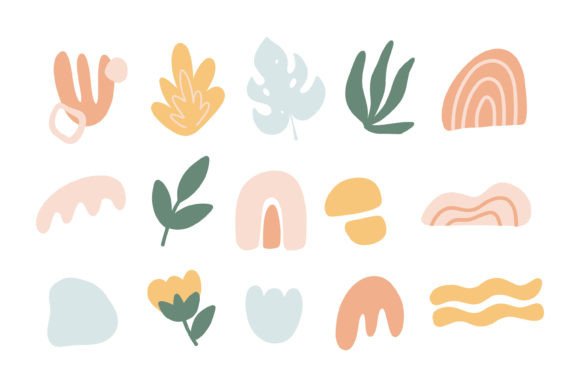
An organic aesthetic blob refers to a soft, irregular shape that mimics natural forms found in biology or landscapes. Unlike geometric shapes (squares, circles, triangles), blobs are free-flowing and often resemble cells, clouds, or water droplets. They bring a sense of natural randomness and warmth to designs, making them feel less rigid and more alive.
These blobs are commonly used as backgrounds, overlays, or decorative elements. Their versatility allows them to blend seamlessly into various design contexts—from minimalist websites to bold social media graphics. Because they don’t follow strict symmetry or angles, blobs offer an intriguing contrast to structured layouts and typography.
The Origin and Evolution of Blob Design
Blob aesthetics emerged from the broader trend of liquid design and blobitecture in architecture and 3D modeling. Over time, designers adopted these fluid shapes for digital media because they could be manipulated easily using vector software like Adobe Illustrator or Inkscape. The rise of motion design and animation also played a role in popularizing blobs, as their amorphous form lends itself well to dynamic visuals.
Understanding Abstract Shapes in Design
Abstract shapes are non-representational forms that do not directly depict real-world objects. They can be geometric, curvilinear, or anything in between. When combined with organic blobs, abstract shapes allow for greater creativity and visual storytelling. Together, they can convey moods, themes, and brand identities without relying on literal imagery.
Abstract shapes serve multiple purposes in design:
- They guide the viewer’s eye across the composition.
- They create depth and dimension when layered over each other.
- They add a unique character to otherwise flat or static designs.
- They help break up text-heavy layouts by introducing white space and visual breaks.
Why Use Abstract Shapes in Design?
Designers often turn to abstract shapes when they want to communicate ideas in a symbolic or emotional way. For instance, a jagged shape might represent chaos or energy, while a smooth, rounded one could suggest calmness or unity. These forms are especially useful in industries that rely heavily on visual impact, such as technology, fashion, and wellness.
Moreover, abstract shapes can be stylized to match different artistic trends—whether it's cyberpunk, minimalism, or neon gradients. Their adaptability makes them a powerful tool in creating visually appealing and contemporary content.
Combining Blobs and Abstract Shapes
When organic blobs and abstract shapes are used together, they can produce stunning compositions that balance structure and spontaneity. This combination works particularly well in:
- UI/UX Design: To soften the edges of buttons, cards, or menus.
- Logo Design: For brands seeking a modern, avant-garde look.
- Marketing Materials: To highlight key messages or products in a visually engaging way.
- Background Elements: Adding subtle texture or movement behind text or images.
For example, a tech startup might use a blob background with overlapping abstract shapes to symbolize innovation and connectivity. Meanwhile, a wellness brand could incorporate soft, flowing blobs to represent harmony and balance.
Tools and Formats for Creating Blob and Abstract Shape Designs
To work with blobs and abstract shapes, designers typically use vector-based tools such as Adobe Illustrator, Photoshop (with layer styles), or online generators. These tools allow for precise control over shape, color, and transparency.
If you're looking to incorporate these elements into your project, you’ll find that having access to high-quality assets can make all the difference. You can now get 15 PNG files with transparent backgrounds, each sized at 4000x4000 pixels and printed-ready at 300dpi. Additionally, you’ll receive 1 EPS vector file, along with 1 AI and 1 SVG format for maximum flexibility in editing and scaling.
Practical Uses in Business and Creativity
Whether you’re designing for business or personal projects, blobs and abstract shapes can enhance your output significantly. Here are some practical applications:
1. Branding and Identity
Modern brands are embracing blobs and abstract shapes to stand out in a crowded market. These elements can be used in logos, website headers, or promotional materials to create a memorable visual identity. For example, a logo featuring a single blob with a stylized abstract shape inside can represent both simplicity and complexity—ideal for innovative companies.
2. Web and App Design
In UI/UX design, blobs and abstract shapes are used to add personality and reduce visual fatigue. Rounded corners and soft shapes are more pleasing to the human eye than sharp angles. By using a PNG with a transparent background, you can overlay these elements onto any background without losing quality or clarity.
3. Social Media Graphics
Social media platforms thrive on visual appeal. Using abstract shapes and blobs in your Instagram posts, Facebook banners, or LinkedIn headers can help your content pop and attract attention. These assets are especially effective in infographics, where they can frame data points or emphasize call-to-action areas.
4. Print and Packaging Design
With the inclusion of EPS vector files, these blobs and abstract shapes can be scaled to any size without losing resolution. This makes them perfect for print projects like brochures, posters, and packaging. High-resolution SVG and AI files also allow for easy integration into professional workflows.
How to Incorporate These Assets into Your Work
Having access to 15 PNG files and vector formats like EPS, AI, and SVG gives you a wide range of options. Below are a few tips to help you integrate these elements into your designs:
- Layer wisely: Combine multiple blobs and abstract shapes to create depth and complexity.
- Use negative space: Let the shapes interact with empty spaces in your layout to enhance readability and focus.
- Play with color: Apply gradients or solid colors to blobs and abstract shapes to match your brand palette or mood board.
- Experiment with animation: If working digitally, consider animating blobs for interactive presentations or video content.
Best Practices for Using Blob and Abstract Shape Assets
To ensure your designs remain clean and professional, avoid overusing these elements. Instead, apply them strategically to highlight specific areas or to complement your message. Here are a few best practices:
- Maintain consistency: Stick to a limited number of shapes and colors to keep your design cohesive.
- Respect hierarchy: Use blobs and abstract shapes to support—not overshadow—your primary content.
- Optimize for purpose: Choose the right file format based on your project’s needs (e.g., SVG for scalability, PNG for transparency).
Common Misconceptions About Blob and Abstract Shape Design
Despite their popularity, there are still misconceptions about how and why blobs and abstract shapes should be used:
- Myth: "Blobs are only for trendy or niche designs."
Reality: While blobs are indeed popular in modern design, they can be adapted to suit a variety of styles, including traditional and minimalist aesthetics.
- Myth: "Abstract shapes are too vague to be meaningful."
Reality: Abstract shapes can carry strong symbolic meaning depending on their form, color, and placement within a design.
- Myth: "Using blobs will make my design look cluttered."
Reality: When used thoughtfully, blobs can actually simplify complex layouts by guiding the viewer’s attention and adding visual flow.
Why These Assets Matter in Today’s Creative Landscape
In today’s fast-paced digital environment, visual content must capture attention quickly and retain it. The fluid nature of organic blobs and the expressive potential of abstract shapes make them ideal for this purpose. Whether you're building a website, crafting a presentation, or designing product packaging, these elements can elevate your work and make it more engaging.
Furthermore, the availability of high-resolution files ensures that your final product looks crisp and polished on any platform—be it mobile screens, billboards, or printed materials. The transparent background PNGs allow for seamless integration into existing designs, while the vector files provide the freedom to customize and scale without compromising quality.
Accessibility and Responsiveness
It’s important to note that while blobs and abstract shapes can enhance visual appeal, they shouldn't interfere with accessibility. Ensure that any text placed over these elements remains legible and that the overall design doesn’t compromise usability. For responsive web design, use SVG files which adapt well to different screen sizes and resolutions.
Conclusion: Embrace the Flow of Modern Design
Organic aesthetic blobs and abstract shapes are more than just trendy design elements—they’re tools for creativity and communication. When used properly, they can transform a basic layout into something dynamic, expressive, and visually compelling. With 15 PNG files at 4000x4000 pixels, plus 1 EPS, 1 AI, and 1 SVG file, you have everything you need to experiment and innovate.
So whether you're a seasoned designer or just starting out, incorporating these elements into your workflow can open new doors for artistic expression and professional growth. Stay curious, stay experimental, and let your creativity flow with the beauty of organic and abstract design.